
Can a society enter the age of science while borrowing answers from the past to address every new question? And does drawing upon our heritage mean repeating its established judgements, or re-examining the very ways in which knowledge is produced?
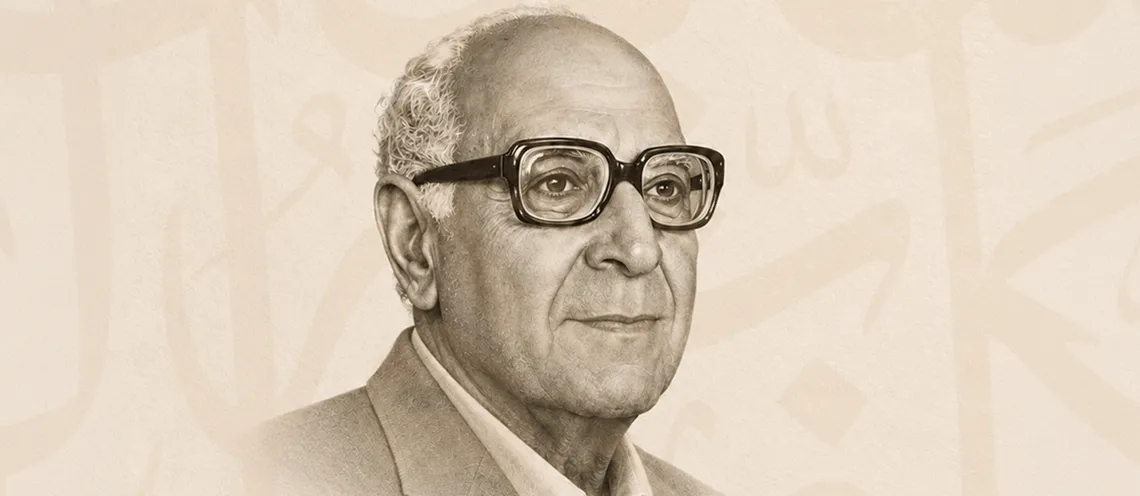
These two questions lie at the heart of the intellectual journey of Zaki Naguib Mahmoud, the Egyptian philosopher who spent decades exploring the limits of language, the value of evidence and the place of Arab culture in a rapidly changing world.
His intellectual project cannot be reduced to a call for rationalism or a simple appeal to reconcile authenticity with modernity. Its true significance lies in the evolution of his thinking: a philosopher who began with the rigour of logic, then returned to his cultural heritage armed with new questions, discovering that meaningful engagement with the past demands both historical understanding and the ability to make discerning choices.
Born in 1905 in Mit Al Khouli Abdullah, in Egypt’s Damietta Governorate, Mahmoud graduated from the Higher Teachers’ College in 1930 before obtaining a PhD in philosophy in 1944. He went on to teach at Cairo University and pursue academic appointments beyond Egypt.
Yet his legacy cannot be fully understood through his academic positions alone. Mahmoud recognised that universities, however important, were not sufficient to foster a wider culture of critical thinking. He therefore combined philosophical scholarship with newspaper writing, making complex ideas accessible through clear, engaging prose without compromising intellectual precision.
When he founded the journal Al Fikr Al Mu’asir (Contemporary Thought) in 1965, he gave his intellectual endeavours an institutional dimension, creating a forum for rigorous debate on methods of thinking, science, literature and the broader questions shaping contemporary intellectual life.
In the early phase of his intellectual journey, Mahmoud devoted himself to logic, analytic philosophy and logical positivism. His central questions were: What do we mean when we make a judgement? And how can we distinguish a statement that can be tested from one that lies beyond empirical verification?
In Al Mantiq Al Wad’i (Logical Positivist) and Khurafat Al Mitafiziqa(The Myth of Metaphysics), which he later republished under the title Mawqif min Al Mitafiziqa (A Position on Metaphysics), he confronted fundamental questions about knowledge and its limitations. In doing so, he introduced modern philosophical approaches into an Arab intellectual landscape where the relationship between science, religion and cultural heritage remained a sensitive and deeply contested issue.
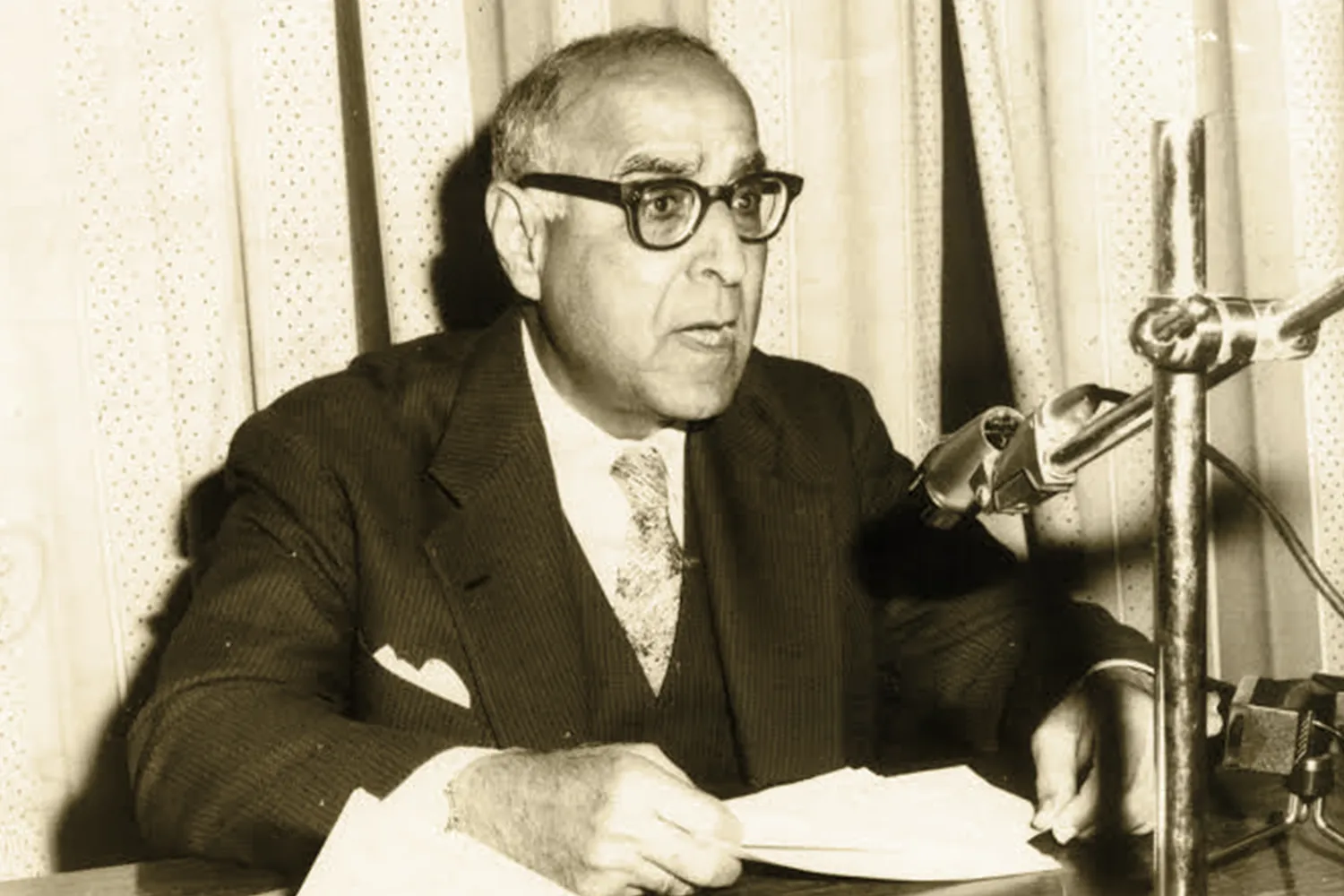
Yet this phase of his thinking cannot be fully understood without considering his subsequent reassessments. Scientific criteria cannot encompass everything human beings express about beauty, morality and meaning. The challenge is not to dismiss what cannot be subjected to laboratory testing, but to avoid confusing different forms of discourse and ways of knowing.
Over time, Mahmoud did not abandon the scientific method. Instead, his attention turned to another fundamental question: How can Arab culture renew itself through a deeper understanding of its own history, neither severing its ties with the past nor seeking refuge in it?
This intellectual evolution is evident in Tajdid Al Fikr Al Arabi (The Renewal of Arab Thought), Al Maqul wa Al La Maqul fi Turathina Al Fikri (The Rational and the Irrational in Our Intellectual Heritage), and Thaqafatuna fi Muwajahat Al Asr (Our Culture Facing the Challenge of Age).
Mahmoud approached Arab heritage as a diverse body of human intellectual endeavour, containing elements worthy of inspiration alongside others that demanded critical reassessment in light of contemporary needs. Ancient texts, in his view, could not serve as ready-made blueprints for governing modern societies, but they could offer intellectual tools and accumulated experience worthy of renewed understanding and interpretation.
This shift prompted two hasty interpretations: some perceived a contradiction between the two phases of his intellectual journey, while others believed he had arrived at a definitive answer to the question of cultural identity. A more discerning reading, however, reveals an evolution in his questions and priorities, from examining the conditions of knowledge to exploring the foundations of cultural renewal.
When Zaki Naguib Mahmoud advocated embracing the scientific spirit, he did not mean merely adopting an abundance of modern terminology. Rather, he sought to establish verification as an ingrained habit of thought, to ensure that the strength of an argument took precedence over the status of the person advancing it, and to foster a culture in which facts are continually scrutinised and errors corrected.
The enduring relevance of Mahmoud’s approach is particularly evident today, in an age when the boundaries between knowledge and opinion are increasingly blurred. Not everything widely circulated is necessarily true, nor is every confidently expressed assertion supported by evidence. Yet Mahmoud should not be recast as a spokesman for our contemporary understanding of science. He was a thinker shaped by his own historical and intellectual context, and the value of revisiting his work lies in engaging critically with his ideas rather than reproducing his judgements.
Zaki Naguib Mahmoud possessed another equally significant dimension: that of a writer who made philosophy accessible to the general reader. In his autobiographical works, Qissat Nafs (The Story of a Soul), Qissat Aql (The Story of a Mind) and Hasad Al Sinin (The Harvest of the Years), we trace the relationship between personal experience and the formation of intellectual convictions. Here, the philosopher is not an abstract voice detached from history, but an individual who reads, learns and, at times, challenges his own beliefs.
His ability to combine intellectual rigour with clarity and eloquence enabled him to bridge the divide between academic specialists and newspaper readers, a divide that remains one of the most formidable challenges facing philosophical writing in the Arab world.
Disagreeing with Mahmoud is an integral part of engaging with his intellectual legacy. Revisiting his work does not require unquestioning acceptance of all his propositions. One may debate the limitations of logical positivism, challenge some of his classifications of Arab heritage, or question whether the roots of the cultural crisis lie solely in methods of thinking, or whether understanding them also demands an examination of institutions, economics, politics and education.
Such questions do not diminish his intellectual stature. Rather, they reaffirm that a serious philosophical project must remain open to scrutiny and debate. Indeed, fidelity to the spirit of his own methodology demands that his ideas, too, be subjected to critical examination.
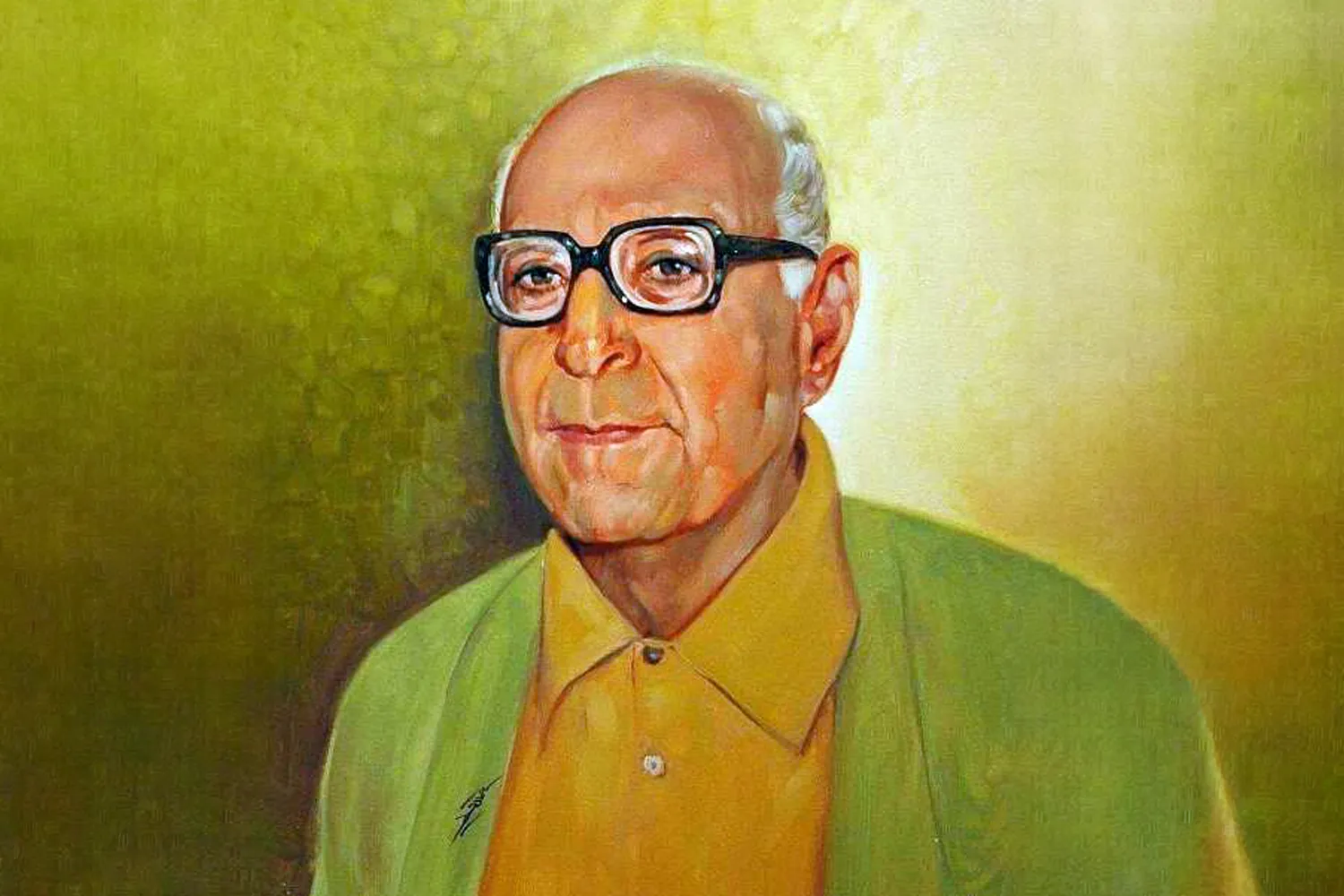
An Enduring Legacy in the Al Owais Award’s History
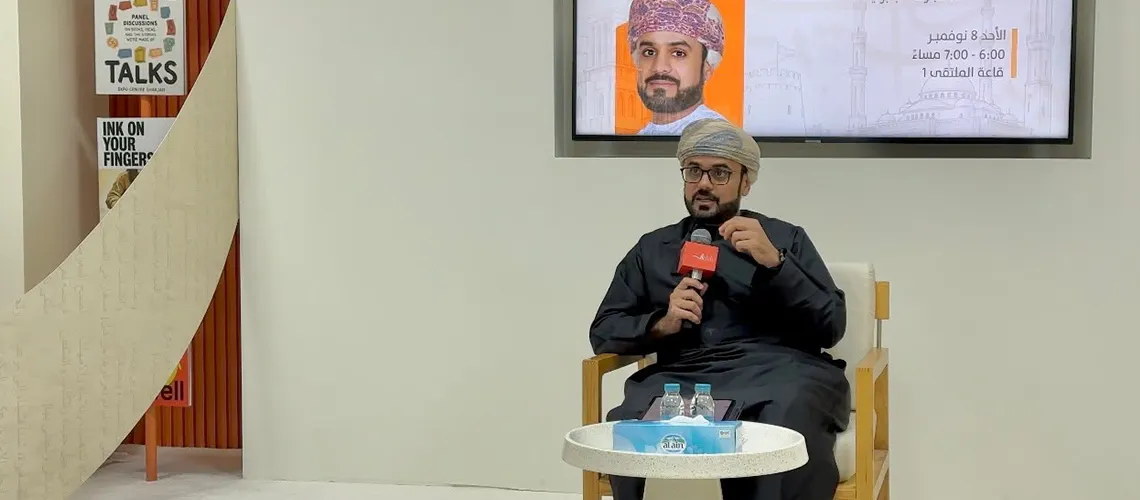
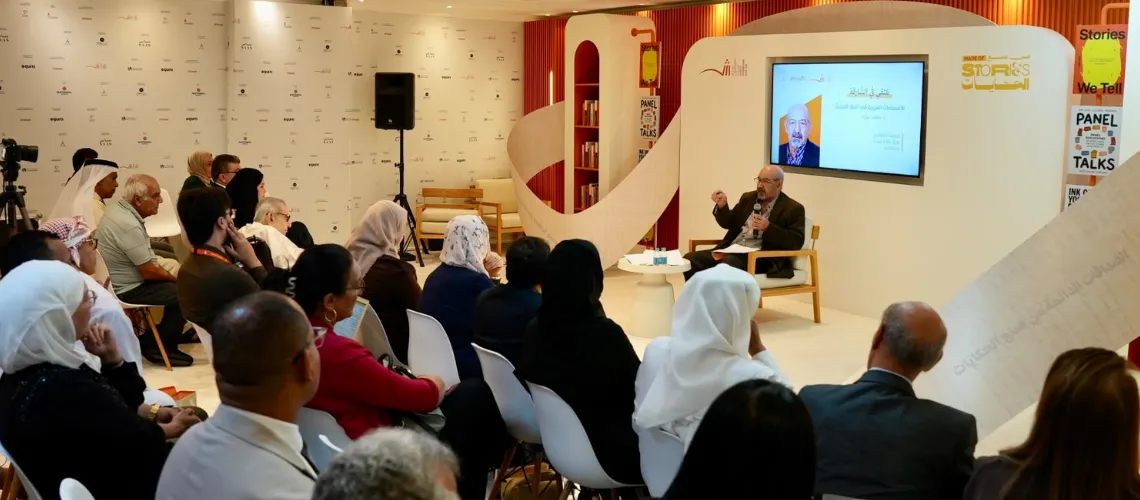
Zaki Naguib Mahmoud was honoured with the Sultan Bin Ali Al Owais Cultural Award in the category of Humanities and Future Studies, in its second edition (1990–1991).
He died on 8 September 1993, having lived through the profound transformations that shaped the twentieth century. His books remain as an enduring testament to a thinker who regarded ideas as intellectual endeavours requiring constant reassessment, rather than possessions to be defended at all costs, regardless of changing realities.